Healthy Eating Habits for Kids Begin Long Before the Plate Arrives
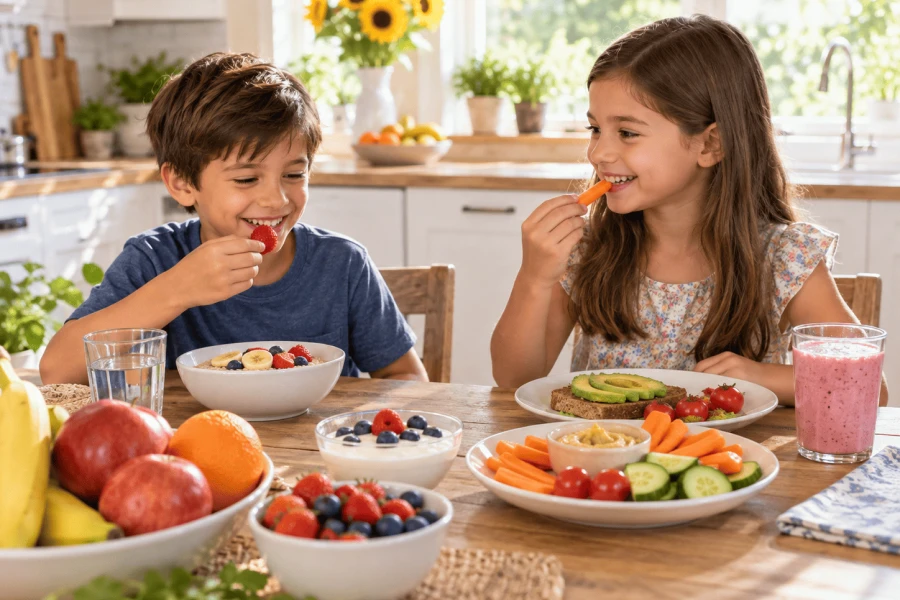
Healthy eating habits for kids are built in the atmosphere around the table, not in the food on it. Parents plate something nutritious, a child refuses it, and the evening turns into a negotiation nobody enjoys. The refusal feels personal after the third night in a row. It rarely is. Young children are wired to approach new foods cautiously, and that caution is developmental rather than defiant. Pressure makes it worse, while calm repetition makes it fade. This article covers why mealtimes escalate, what actually shifts a child’s willingness to try things, and which common tactics backfire. None of it requires special recipes or hidden vegetables. It requires patience applied consistently, which is harder and far more effective. Calm repetition achieves what pressure cannot.
Why Healthy Eating Habits for Kids Break Down at Dinner
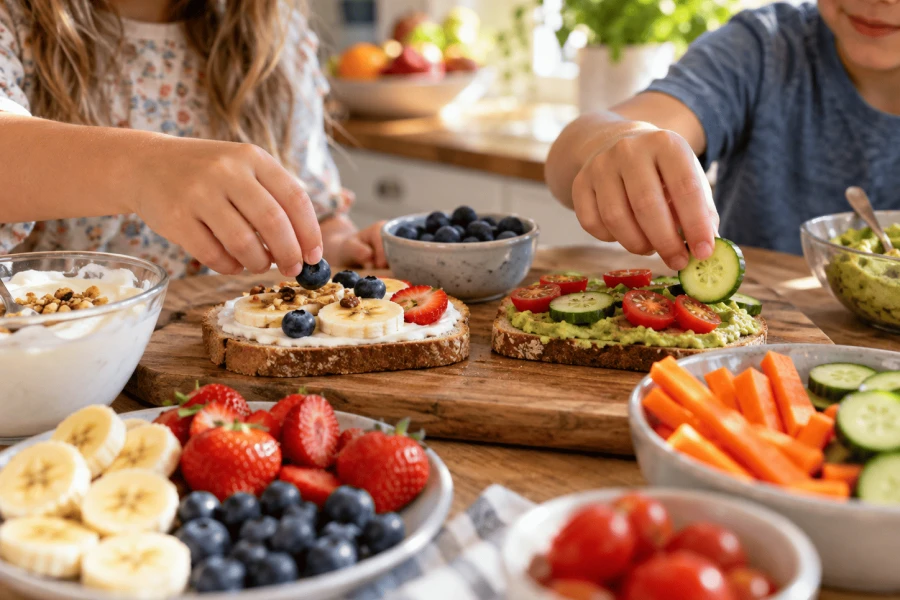
Dinner carries more emotional weight than any other meal in a household. Parents arrive tired, children arrive overstimulated, and everyone wants the day to end smoothly. A refusal at that hour feels like the final straw rather than a normal moment. Escalation follows quickly: bargaining, then bribery, then a separate meal prepared out of exhaustion. Each shortcut teaches the child that refusing produces a better option. Managing a picky eater toddler becomes far easier once that feedback loop breaks. Serve one family meal containing at least one food the child reliably accepts. Let them choose from what is there without commentary. Neutrality removes the reward that refusal currently earns. Predictable responses teach faster than dramatic ones.
Picky Eating Is Usually a Phase, Not a Failure
Selective eating peaks between roughly two and six years old in most children. Growth slows after infancy, appetite drops accordingly, and preferences swing without warning. A beloved food on Monday may hit the floor on Tuesday for no discoverable reason. Parents often interpret this as a problem they caused. Pediatric guidance consistently describes it as typical behavior that resolves with time. That reassurance matters, because anxious parents apply more pressure, and pressure prolongs the phase. Offer variety, model eating the same food yourself, and let appetite guide intake. Speak with your pediatrician if growth, energy, or the range of accepted foods causes real concern. Most families simply need patience and a calmer table. Time does most of the work on its own.
Healthy Eating Habits for Kids Need Repetition
Acceptance of a new food often takes ten to fifteen exposures. Most parents give up after three, conclude the child hates it, and remove it permanently. Exposure does not require eating, either. Seeing the food, touching it, or watching a parent enjoy it all count as progress. Serve small portions alongside familiar items and say nothing about the new one. Repeat quietly across weeks rather than pushing within a single meal. Thoughtful family meal planning makes that repetition sustainable instead of exhausting. Rotate a handful of foods through the week and stop tracking each refusal. Curiosity returns when the spotlight disappears. Exposure without commentary works quietly and reliably.
Pressure, Bribes, and the Dessert Trap
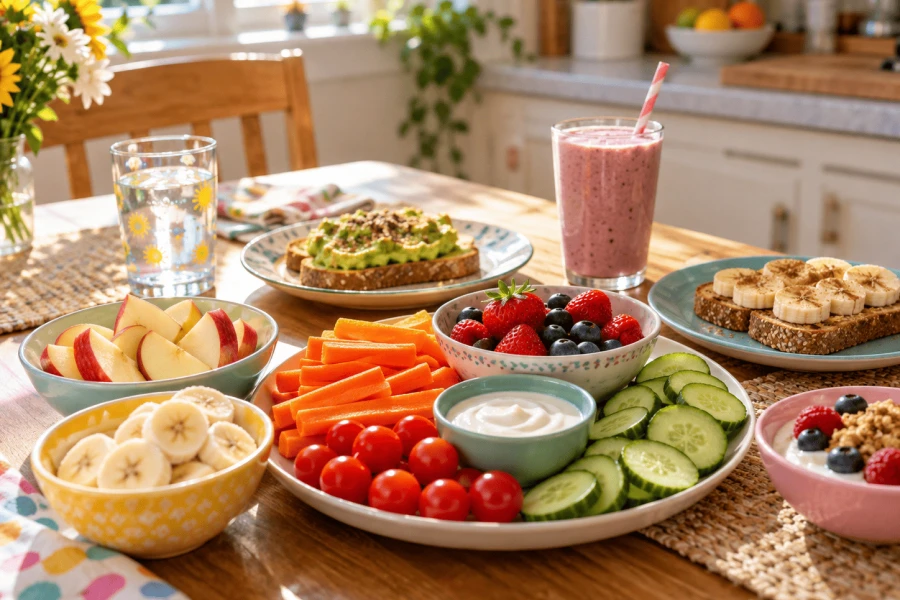
Three popular tactics reliably backfire over time. Demanding three more bites teaches children to ignore their own fullness signals. Offering dessert as payment for vegetables tells them clearly which food is the prize. Hiding vegetables inside other dishes may work tonight but teaches nothing about eating them openly. Each shortcut buys short-term compliance and costs long-term acceptance. A neutral approach to introducing new foods to kids works better precisely because it carries no emotional charge. Treats belong in the week as ordinary food rather than as leverage. Remove the negotiation and the power struggle loses its fuel. Calm consistency outperforms clever tricks every season. Leverage belongs in negotiations, never at dinner.
Healthy Eating Habits for Kids Start in the Kitchen
Children reject unfamiliar food far less often when they helped prepare it. Washing vegetables, tearing lettuce, stirring batter, and setting the table all build ownership. Involvement shifts a child from critic to contributor within minutes. Age-appropriate tasks exist for every stage from toddler to teenager. Shopping together works similarly, since choosing an item creates investment in eating it. Preparing snacks for picky eaters together turns an ordinary afternoon into gentle exposure without any pressure. Keep the tasks genuinely useful rather than decorative. Mess is part of the process and washes off easily. Participation teaches skills that outlast any single meal. Ownership makes unfamiliar food feel far less threatening.
Healthy Eating Habits for Kids Outlive the Toddler Years
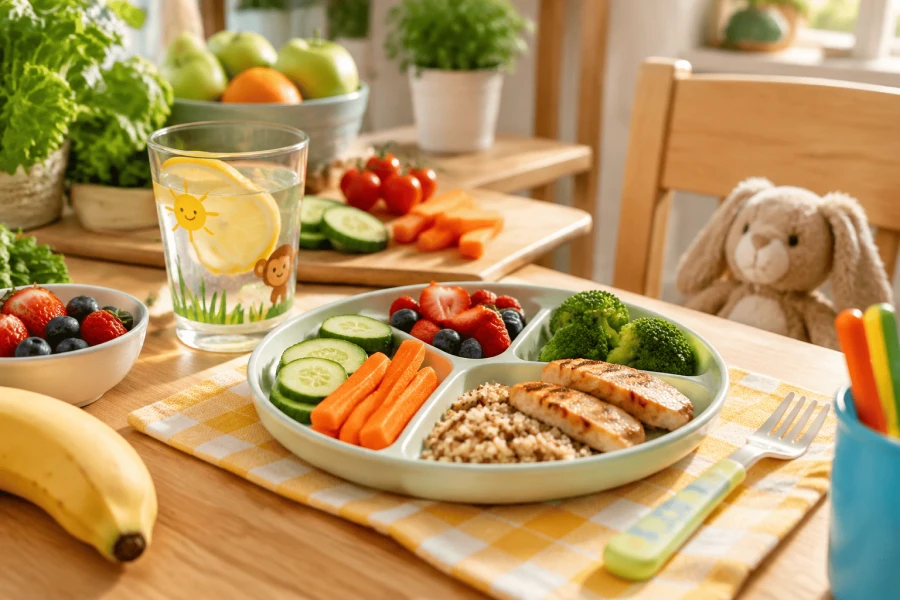
The habits forming now shape how your child relates to food as an adult. Regular meal timing helps children arrive hungry rather than ravenous or already full. Shared meals without screens create the conversation that makes eating pleasant. Modeling matters more than instruction, since children copy what they watch you do. Avoid labeling foods as good or bad, because neutral language supports a healthier relationship with eating. Keep the goal modest: a child who feels calm and safe at the table. The bundle behind this article collects ten resources on routines, nutrition basics, and family mealtimes in one download. Families who want fewer screens at dinner may also find the household media agreement approach useful. Progress here is measured in seasons rather than days. Calm tables tend to raise calm eaters.













Leave a comment